


HPMC Grades for Construction: How to Fix Concrete Crack
Hydroxypropyl Methyl Cellulose (HPMC) is a core functional polymer widely used in modern dry-mix construction systems. It plays a critical role in regulating water retention, workability, and rheology in tile adhesives, wall putty, cement mortars, and repair materials. Different grades of HPMC are engineered to meet different performance requirements, from basic masonry work to high-end concrete repair applications.
As a global hpmc for construction solution provider, JINJI CHEMICAL develops application-oriented cellulose ether products designed to ensure stable performance across diverse building material systems.
Grades of HPMC and Their Functional Differences
The grades of HPMC are typically classified based on viscosity, substitution level, gel temperature, and application performance. Each grade plays a different role in construction systems:
Low-viscosity
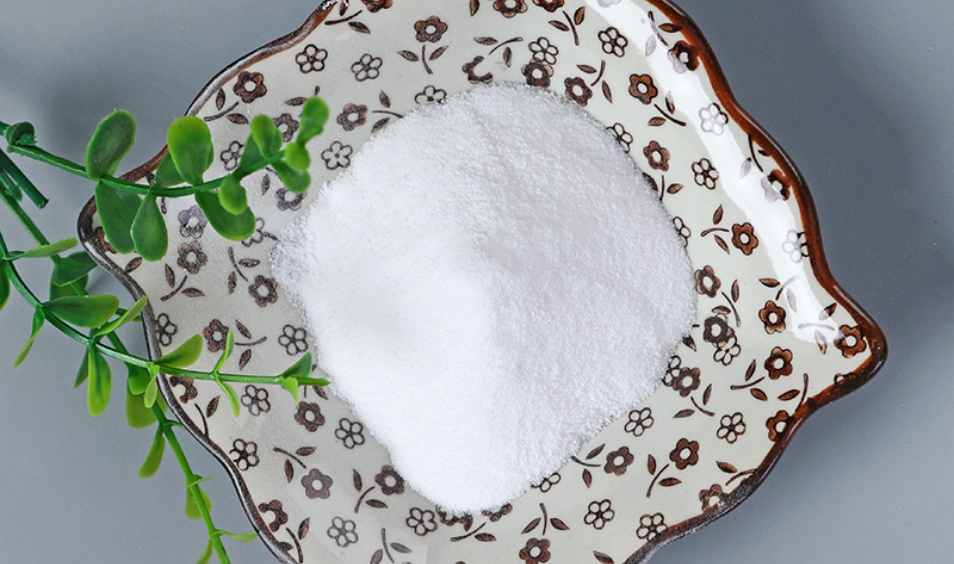
Low-viscosity grades are typically used in systems that require better flow and leveling, such as self-leveling compounds, where smooth surface formation is critical.
Medium-viscosity
Medium-viscosity grades are the most widely used in tile adhesives and wall putty because they provide a balanced combination of water retention, open time, and workability.
High-viscosity
High-viscosity grades create a stronger internal structure within the mortar, helping prevent sagging and deformation during vertical application on walls or ceilings.
In practical construction environments, performance is also influenced by external factors such as temperature, humidity, and substrate absorption. Because of this, formulators often select grades based on application conditions rather than relying only on dosage adjustment, ensuring consistent behavior across different job sites and climates.
HPMC for Construction and Its Functional Mechanism in Building Materials
The role of hpmc for construction is primarily based on its ability to regulate water movement within cementitious systems.
- In tile adhesive systems, this mechanism extends open time, allowing installers to adjust tile positioning more easily before initial setting occurs.
- In wall putty and plaster applications, it improves cohesion and reduces surface defects such as cracking, powdering, or uneven finishing.
- At the same time, HPMC significantly improves rheological stability. It helps maintain anti-sag performance on vertical surfaces while still allowing smooth application under trowel shear.
This balance between structural strength and workability is one of the key reasons cellulose ethers are indispensable in modern dry-mix mortar systems.
Building Material Additive HPMC Manufacturers and Quality Consistency
The reliability of construction materials depends heavily on the consistency of raw materials, which is why selecting qualified building material additive hpmc manufacturers is essential. Manufacturing quality is influenced by reaction control, particle size distribution, and substitution stability during etherification.
Even slight variations in production parameters can lead to differences in viscosity stability or dissolution speed, which ultimately affect mortar performance, surface finish, and application behavior. In large-scale construction or export projects, such variations can result in inconsistent curing, cracking, or adhesion failure.
Companies such as JINJI CHEMICAL maintain strict production control systems to ensure batch-to-batch consistency. This allows formulators to achieve predictable performance across different environments and construction conditions.
How to Use HPMC Correctly in Construction Formulations?
Knowing how to use HPMC correctly is critical to achieving optimal performance in cement-based systems. In most dry-mix applications, HPMC is first dry-blended with cement, sand, fillers, and other additives to ensure uniform dispersion before water addition.
Typical usage method:
1. Dry mix HPMC uniformly with cement-based powders
2. Add water gradually during mixing
3. Ensure full dispersion to avoid clumping
4. Allow proper standing time for hydration
5. Adjust dosage depending on viscosity and application type
The dosage depends on application requirements: Lower dosages are typically used in basic masonry mortars, while higher dosages are required in tile adhesives and repair mortars where stronger water retention and anti-sag properties are needed.
However, formulation optimization is not only about increasing dosage—grade of hpmc selection often has a more significant impact on final performance.

Fix Concrete Cracks Using HPMC-Modified Repair Systems
To fix concrete cracks, modern repair systems often rely on polymer-modified mortars where HPMC plays an important functional role. Concrete cracks usually result from shrinkage, thermal stress, or long-term structural load, and effective repair requires strong adhesion and controlled curing behavior.
Why HPMC improves crack repair performance?
When HPMC is incorporated into repair mortars, it improves water retention at the crack interface, preventing rapid moisture loss that could lead to shrinkage re-cracking.
It also enhances bonding strength between the repair material and the existing concrete substrate, ensuring long-term stability.
How to Use HPMC Fix Concrete Cracks?
First, during application, cracks are first cleaned to remove dust and loose particles.
Second, the HPMC-modified repair mortar is then applied by filling or injection depending on crack depth.
Last, as curing progresses, the controlled hydration environment allows the repair layer to develop strength evenly and reduces the risk of detachment or surface failure.
For more demanding structural repair conditions, HPMC is often combined with redispersible polymer powders to improve elasticity, impact resistance, and long-term durability under environmental stress.
Conclusion – The Technical Value of HPMC in Modern Construction Systems
From selecting the correct grades of HPMC to understanding how to use HPMC effectively in formulations, cellulose ether plays a decisive role in construction performance. Whether used in tile adhesives, wall putty, or systems designed to fix concrete cracks, high-quality materials ensure long-term stability and efficiency.
In a word, selecting the correct grades of HPMC, applying proper usage methods, and working with reliable suppliers are all critical to ensuring consistent construction performance and long-term durability.
If you are developing concrete repair formulations, selecting the right grade of hpmc can significantly improve your product performance and construction efficiency.
Contact JINJI CHEMICAL today to request technical data sheets, samples, or formulation support for your specific application needs.