


Redispersible Polymer Powder vs Copolymer Powder: What Is the Difference?
Redispersible polymer powder (RDP) is a type of polymer powder commonly used in construction materials, while copolymer powder is a broader category of polymer powders made from two or more monomers. In many construction applications, RDP is usually based on copolymer systems such as VAE (vinyl acetate-ethylene) to improve adhesion, flexibility, and water resistance.
Although these two terms are sometimes used interchangeably, they are not exactly the same. Understanding the difference helps construction material manufacturers choose the right polymer additive for tile adhesive, dry mix mortar, wall putty, and EIFS applications.
What is Redispersible Polymer Powder (RDP)?
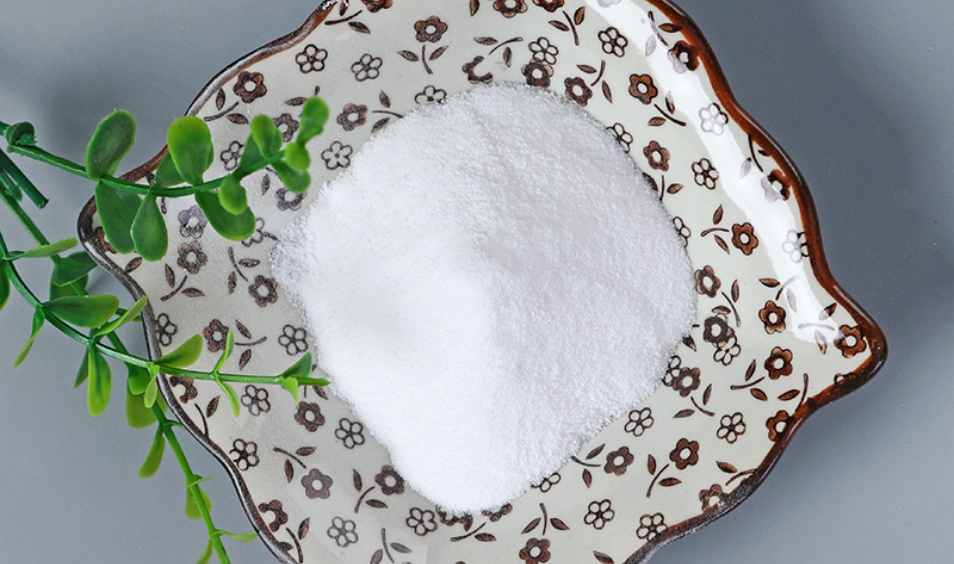
Redispersible polymer powder is a free-flowing white powder produced by spray drying polymer emulsions. When mixed with water, RDP can redisperse into a stable polymer dispersion and form a flexible polymer film after drying.
In cement-based construction materials, RDP works as a performance-enhancing additive. It improves:
- Adhesion strength between materials
- Flexibility and crack resistance
- Water resistance
- Workability and durability
- Cohesion of dry mix mortar systems
As a professional construction chemical manufacturer, JINJI CHEMICAL supplies redispersible polymer powder designed for different dry-mix mortar applications, helping customers improve product performance and production stability.
What is Copolymer Powder?
Copolymer powder refers to polymer powders produced from two or more different monomers. The combination of different monomers allows manufacturers to adjust polymer properties such as flexibility, adhesion, hardness, and chemical resistance.
Common copolymer powder types include:
- VAE copolymer powder (Vinyl Acetate-Ethylene)
- Acrylic copolymer powder
- Styrene-acrylic copolymer powder
However, not all copolymer powders are designed for construction applications. Their performance depends on polymer composition, glass transition temperature (Tg), and compatibility with other raw materials.
Redispersible Polymer Powder vs Copolymer Powder: Key Differences
Although RDP and copolymer powder are closely related, there are several important differences.
|
Comparison
|
Redispersible Polymer Powder
|
Copolymer Powder
|
|
Definition
|
Polymer powder that can redisperse in water
|
General term for powder polymers containing two or more monomers
|
|
Category
|
A specific type of polymer powder
|
A broader polymer category
|
|
Common composition
|
VAE, acrylic, or other polymer systems
|
VAE, acrylic, styrene-acrylic, etc.
|
|
Main function
|
Improves adhesion, flexibility, water resistance
|
Depends on polymer structure
|
|
Typical application
|
Tile adhesive, mortar, EIFS, wall putty
|
Construction, coatings, adhesives, other industries
|
|
Construction suitability
|
Specifically developed for dry mix systems
|
Depends on product design
|
From a construction material perspective, RDP is usually the preferred choice because it is specifically engineered for cement-based systems.
Is Redispersible Polymer Powder the Same as Copolymer Powder?
The answer is: not exactly.
A redispersible polymer powder can be produced from copolymers, meaning some RDP products are technically copolymer powders. However, the term “copolymer powder” includes a wider range of products.
The relationship can be explained as: Copolymer Powder → Different types of polymer powders → Some are designed as Redispersible Polymer Powder (RDP) → Used in construction dry mix applications
For example, VAE copolymer powder is one of the most widely used RDP technologies because it provides a good balance between adhesion, flexibility, and compatibility with cement-based materials.
Redispersible Polymer Powder vs Copolymer Powder: Which Is Better for Tile Adhesive?

For tile adhesive manufacturers, choosing the correct polymer additive directly affects final product performance.
Based on factory application experience, RDP usually provides better results in tile adhesive because it can improve:
1. Adhesion Strength
Tile adhesive needs strong bonding between tiles and substrates. RDP forms a polymer film that enhances adhesion after curing.
2. Flexibility
Temperature changes and building movement can cause cracking. Proper RDP improves flexibility and reduces failure risks.
3. Open Time and Workability
RDP helps maintain better application properties, allowing workers more time for tile adjustment.
4. Water Resistance
In wet environments such as bathrooms and kitchens, RDP improves durability and resistance to moisture.
Industry Experience: How Do Manufacturers Choose RDP?
From our experience working with dry mix mortar factories worldwide, customers usually do not choose polymer powder only based on price. They focus more on the final performance of their products.
For example, tile adhesive manufacturers often ask:
“Why does my tile adhesive have good initial strength but fail after water immersion?”
In many cases, insufficient polymer modification is one reason. The cement system may have enough hardness, but it lacks flexibility and long-term adhesion.
Another common question from customers is:
“Why does my mortar crack after drying even though the formulation looks correct?”
The reason may be an imbalance between rigidity and flexibility. A suitable RDP grade helps create a flexible polymer network inside the cement matrix, reducing internal stress.
At JINJI CHEMICAL, we recommend different RDP grades according to:
- Cement formulation
- Application requirements
- Climate conditions
- Required flexibility and adhesion level
Our technical team supports customers in selecting suitable solutions instead of simply providing a standard product.
How to Choose the Right Redispersible Polymer Powder?
Before purchasing RDP, manufacturers should consider:
Application Type
Different applications require different polymer properties:
|
Application
|
Recommended Performance
|
|
Tile adhesive
|
High adhesion, flexibility, water resistance
|
|
Wall putty
|
Crack resistance, smooth surface
|
|
Weather resistance and durability
|
|
|
Repair mortar
|
Strong bonding and flexibility
|
Glass Transition Temperature (Tg)
Lower Tg: Higher flexibility
Higher Tg: Better hardness and mechanical strength
Compatibility With Other Additives
RDP should work well together with:
- HPMC
- MHEC
- Starch ether
- Cement and fillers
A balanced formulation delivers better final performance.
Looking for a reliable redispersible polymer powder manufacturer?
Contact JINJI CHEMICAL for technical support, product specifications, and customized recommendations for your construction material applications. (Send your requirement and receive RDP recommendation within 24 hours.)